Day one, 8:04 a.m. My phone told me the truth I already knew: 4 hours 47 minutes of screen time yesterday, 132 pickups, and most of it was not work. It was the loop — news, short video, inbox, repeat — with nothing to show for it at the end.
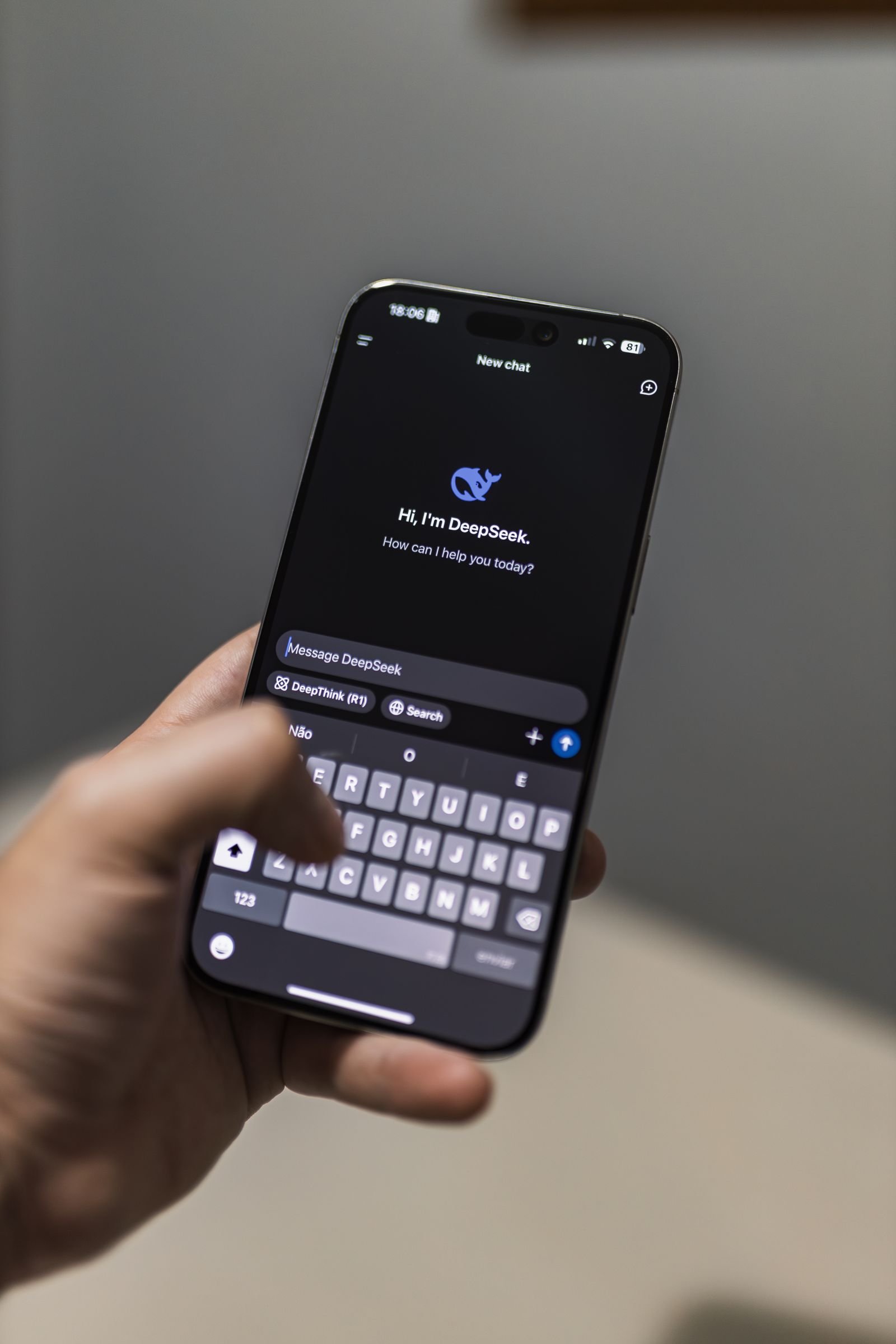
So I did the slightly absurd thing: I asked an AI chatbot to plan my escape from my phone.
I gave it honest constraints, because a detox plan built on lies lasts about a day. I work from a laptop, I need WhatsApp for family, and I am not giving up maps or music. I asked for a seven-day plan with one rule per day, a replacement activity for each habit, and an evening check-in prompt. Then I followed it, kept notes, and this is what actually happened.
Day 1: the baseline, and the first surprise
The AI started where every good plan starts: measurement. It told me to turn on the built-in screen time report, write down my three biggest time sinks, and pick one “sacred hour” — a single hour a day with no phone at all. My three sinks were short video apps, news scrolling, and checking email “just in case.”
The sacred hour was the surprise. I chose 7 to 8 p.m., cooking and eating without a screen. It felt strange for exactly one evening. By day three it was the part of the day I looked forward to most. If you take one thing from this article, take the sacred hour. It is small, it is specific, and it works when grand resolutions do not.
Day 2: the app audit that hurt
Day two’s instruction was blunt: delete one app, not five. The AI suggested I remove the short-video app from my phone and keep it on my tablet in another room, so watching it required a deliberate walk instead of a thumb twitch. I resisted — deleting felt dramatic — and then I checked: 1 hour 52 minutes on that app alone the day before. I deleted it.
That evening, my hand kept reaching for an app that was not there. That phantom reach is the whole problem in one gesture. By day four the reaching stopped.
Day 3: the replacement rule
This is where most detox advice fails, because it tells you to stop something without telling you what to do instead. The AI’s day-three rule fixed that: every time I wanted to scroll, I had to do the replacement first — ten pages of a book, a ten-minute walk, or writing one paragraph in a notebook. Not instead of scrolling forever. Just first.
The walk won. I walked 4,200 steps before lunch on day three without planning a “workout,” just by using walks as the toll I paid before opening anything entertaining. Boredom, it turns out, is not the enemy. Unstructured boredom with a phone in reach is.
Day 4: the backfire
Here is the part I did not expect, and the reason I am writing this honestly instead of as a success story. The AI’s day-four suggestion was a “dopamine fast”: no entertaining content at all for one full day — no music, no videos, no podcasts, just work and silence.
It backfired completely.
By 6 p.m. I was so starved of stimulation that I binged for ninety minutes straight, longer than any single session all week, and felt worse than before the experiment started. Total abstinence is a bad plan for a person whose job and social life run through screens. The lesson is not that detoxing fails — it is that extreme plans fail. A plan you can keep for seven days beats a perfect plan you abandon on day four. I dropped the fast, kept the sacred hour and the replacement rule, and the rest of the week went smoothly.
Day 5 to 7: the system that stuck
The last three days were about automation, not willpower. The AI suggested three settings changes, and all three are still on my phone now:
- A 30-minute daily limit on the two apps I actually overuse, with the limit set to lock rather than warn. Warnings are negotiable. Locks are not.
- Notifications off for everything except calls, messages from five people, and calendar alerts. My phone went from buzzing 60 times a day to buzzing about 12 times.
- Grayscale mode after 9 p.m. A grey screen is genuinely less tempting. This one sounds like a gimmick until you try it for one evening.
By day seven, my screen time was 2 hours 51 minutes, down from 4 hours 47, and — more importantly — the remaining time was mostly things I had chosen: messages, maps, music, reading. The loop was broken, not by discipline, but by friction in the right places.
My opinion, stated plainly
Most digital detox advice is written by people who do not work on screens, for people who do. That is why it fails. A plan that asks you to throw your phone in a drawer for a weekend is a holiday, not a habit. The version that actually works is boring and small: one sacred hour, one deleted app, one replacement rule, and three settings changes. AI is good at generating that plan because it is a planning problem, not a willpower problem — but you must edit its suggestions ruthlessly. When it told me to fast for a day, it was wrong, and following it blindly cost me an evening. Use AI as a planner, not a guru.
A privacy note before you start: do not paste your real screen time reports, app lists, or personal habits into a chatbot without checking what that service does with your data. Use rough categories (“about two hours on video apps”) instead of screenshots, and prefer a tool with EU data residency if you are in Europe. Your detox plan should not cost you your privacy.
The 7-day plan, copy this
Day 1: measure, name your three sinks, pick a sacred hour. Day 2: delete one app, or move it to a device in another room. Day 3: pick a replacement activity and do it before scrolling, every time. Day 4: skip the extreme fast — keep the plan human. Day 5: set a 30-minute lock limit on your worst app. Day 6: silence all notifications except calls, five people, and calendar. Day 7: grayscale after 9 p.m., and write down what you will keep.
Start tonight. Pick the sacred hour first. Everything else gets easier after that.
Related reading on PromptSkill: How to Create a Workout and Nutrition Plan with AI: Step-by-Step and AI Privacy Settings You Should Change Today: A European’s Checklist.