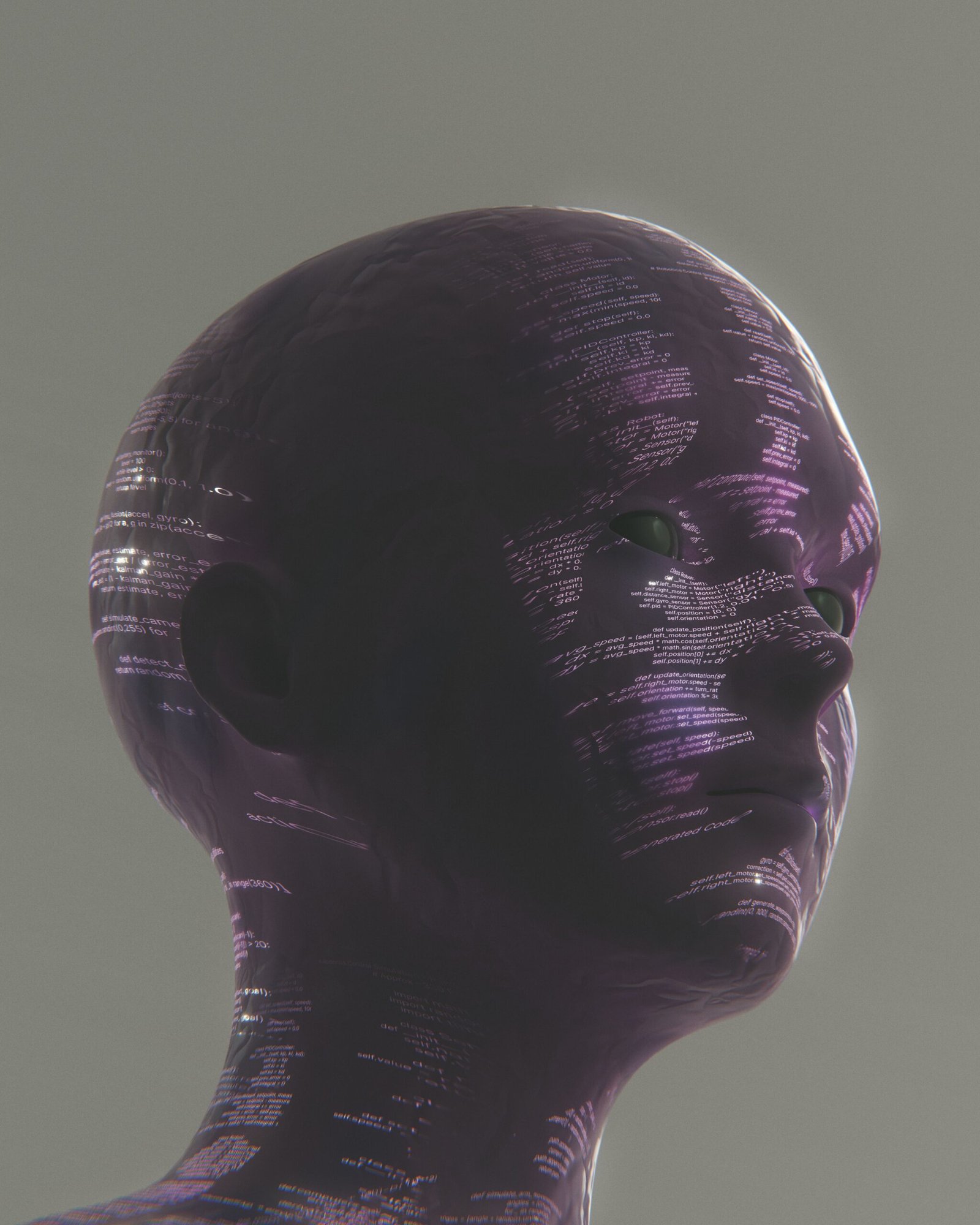
If you create content for a European audience in 2026, you have probably noticed something curious: more and more of the videos in your feed were never actually filmed. No camera, no studio, no presenter standing under hot lights. Instead, a realistic digital human delivers the script — generated entirely by artificial intelligence from plain typed text.
AI avatar video generators have moved from novelty to everyday working tool. Corporate trainers in Berlin use them for onboarding videos, language schools in Lyon produce multilingual lessons overnight, and solo creators in Amsterdam run entire faceless YouTube channels. But with several strong platforms competing for your attention, which one genuinely deserves your time and budget?
In this guide we compare the three biggest names head to head: Synthesia, HeyGen and Colossyan. We look at avatar realism, language support (crucial for European creators), pricing, and the practical details that matter when you actually sit down to make videos week after week.
What Are AI Avatar Video Generators?
AI avatar video generators turn written scripts into presenter-led videos. You choose a digital avatar — either a stock presenter from a library or a custom avatar built from your own footage — type or paste your script, pick a voice and language, and the platform renders a video of the avatar speaking your words with natural lip-sync, gestures and facial expressions.
The technology blends text-to-speech, voice cloning and generative video models. The result is not animation in the cartoon sense: modern avatars look like real people filmed in a studio. For training content, product explainers, internal updates and personalised marketing, they are remarkably convincing — and dramatically cheaper than a film crew.
Note that these tools are quite different from text-to-video generators like Runway or Pika, which create cinematic clips from prompts rather than presenter-led videos. If you are curious about that side of AI video, our comparison of the best free AI video generators in 2026 covers Runway vs Pika vs Luma in detail.
Synthesia vs HeyGen vs Colossyan at a Glance
Here is the quick summary before we go deeper:
- Synthesia — the enterprise veteran. Best for corporate training at scale, with the strongest compliance story and LMS integrations.
- HeyGen — the creator favourite. Best avatar realism, instant custom avatars, and superb video translation with lip-sync.
- Colossyan — the learning-design specialist. Best value for training teams that want scenario-based learning without enterprise pricing.
Pricing changes often, so treat the figures below as a snapshot from 2026 and always check the official pricing pages before committing to a plan.
Synthesia: The Corporate Training Powerhouse
Synthesia is the oldest and most enterprise-focused of the three. Founded in London in 2017, it built its reputation inside large companies’ learning and development departments, and that heritage shows in every part of the product.
The avatar library is large and deliberately professional: presenters in business attire, diverse ages and ethnicities, filmed against clean studio backgrounds. Recent “expressive” avatars add far more natural hand gestures and facial emotion than the stiff early generations. You can also create a personal avatar from about ten minutes of recorded footage, which is ideal for founders or trainers who want to scale their own presence.
Language support is a genuine strength, with over 140 languages and voices. German, French, Dutch, Spanish and Italian voices are consistently high quality — important if your training content must land equally well in Munich and Marseille. The one-click translation feature can convert an entire video, script and all, into another language while keeping the same avatar.
Where Synthesia really pulls ahead for organisations is workflow: brand kits, shared workspaces, review and commenting, SCORM export for learning management systems, and enterprise-grade security certifications including SOC 2 and GDPR-aligned data processing. For a European company with a works council asking hard questions about AI, that compliance story matters.
The trade-offs: entry pricing sits higher than the other two, the interface can feel formal and corporate, and casual creators may find the template-driven editor less playful than HeyGen’s. But if your use case is serious training content produced at volume, Synthesia remains the safest pair of hands.
HeyGen: The Creator’s Favourite for Realism
HeyGen grew explosively by winning over individual creators, marketers and small teams — the people who judge a tool by the output, not the compliance paperwork. Its avatars are widely considered the most realistic of the three, with skin texture, eye movement and micro-expressions that survive close scrutiny.
The standout feature is the instant avatar: record roughly two minutes of footage on your phone and HeyGen builds a usable digital twin. For YouTubers, course creators and LinkedIn educators across Europe, this is transformative — you can “film” a week’s worth of content in an afternoon without setting up lights.
HeyGen supports over 175 languages, and its video translation tool is arguably best in class: upload an existing video of yourself, and it dubs you into another language with matching lip movements. A creator in Paris can publish natively in French, German and English from a single recording. Voice cloning is also excellent, preserving accent and speaking style convincingly.
On the practical side, HeyGen offers a generous free tier for testing, an API for developers, and templates geared toward marketing: product demos, UGC-style ads, social clips. If your goal is audience growth rather than compliance training, HeyGen is usually the most fun — and most impressive — option.
Weaknesses? The sheer realism raises ethical eyebrows, and HeyGen has faced scrutiny over misuse of likeness — worth knowing if your organisation is risk-averse. Heavy users can also find the credit-based pricing confusing compared with simple per-minute plans. And for pure corporate LMS workflows, its integrations lag behind Synthesia.
Colossyan: The Learning-Design Specialist
Colossyan sits between the other two: more training-focused than HeyGen, more affordable and approachable than Synthesia. It was built specifically for workplace learning, and features like branching scenarios, quizzes and conversation-style roleplays reflect that.
The avatar quality is a step below HeyGen’s best but perfectly credible for training content — and improving fast. Where Colossyan shines is the authoring experience for instructional designers: you can build interactive, scenario-based modules where learners choose responses and the avatar reacts. For customer-service or sales training, that interactivity beats a talking head every time.
Language support covers the major European languages well, with automatic translation of full videos. Pricing is the friendliest of the three for small and mid-sized teams, and the company emphasises GDPR-compliant data handling with EU data residency options — a meaningful checkbox for European buyers.
The compromises: a smaller stock avatar library, fewer marketing templates, and a brand that is less recognised outside L&D circles. If you are a solo creator chasing maximum realism, HeyGen wins. If you are a training team on a budget, Colossyan deserves a serious look.
Languages and Accents: What Matters for European Creators
For creators in the UK, Germany, France and the Netherlands, multilingual support is often the deciding factor — and all three platforms handle it differently.
Synthesia offers breadth and consistency: 140+ languages with reliably professional delivery in German, French, Dutch, Spanish and Italian. If you produce compliance training that must sound equally authoritative in five countries, that consistency is gold.
HeyGen offers the most languages (175+) and the most natural-sounding voice cloning. A Dutch creator can clone their own voice and have their avatar speak fluent French with their own vocal character intact. For personal-brand content, nothing else comes close.
Colossyan covers the essentials well and makes whole-video translation nearly automatic, which suits teams localising a course catalogue rather than creators building a personal brand.
Practical tip: always test your specific language before subscribing. Generate the same 60-second sample script on each platform’s trial and listen critically — or better, ask a native speaker colleague. Marketing claims about “140 languages” mean little if the one you need sounds robotic.
Pricing Compared
All three use subscription tiers with video-minute allowances, and all three change prices regularly — so verify current figures. Broadly speaking, HeyGen’s entry plans are the most affordable for individuals, Colossyan offers the best value per minute for teams producing training content, and Synthesia commands a premium justified by enterprise features and support.
Watch for the details that affect real cost: whether unused minutes roll over, how custom avatars are billed (often a one-time or annual fee), and what counts as a “minute” (some platforms bill per generated minute including re-renders). If you produce videos weekly, an annual plan typically cuts 15–20% off the monthly price.
Pairing an avatar video with a great voiceover can elevate the result further. If you want to explore dedicated voice tools, our comparison of ElevenLabs vs Murf vs PlayHT breaks down the best AI voice generators for narration and dubbing.
Video Quality and Realism
In 2026, all three produce genuinely convincing output at 1080p, but differences remain. HeyGen leads on pure realism — avatars hold up in close-ups and longer takes. Synthesia’s expressive avatars closed much of the gap and look superb in standard medium shots typical of training videos. Colossyan is perfectly watchable for learning content, though side-by-side with HeyGen you can spot slightly less natural hand motion.
Rendering speed is comparable: a three-minute video typically takes a few minutes to generate on paid plans. All three let you tweak scripts and regenerate scenes without starting over, which is where the real time savings appear — updating a training video used to mean refilming; now it means editing text.
Which One Should You Choose?
- Choose Synthesia if you produce compliance or onboarding training at scale, need LMS integration and strong security credentials, and work inside a larger organisation.
- Choose HeyGen if you are a creator, marketer or educator who wants the most realistic avatars, instant custom avatars, and best-in-class video translation for reaching multilingual audiences.
- Choose Colossyan if you are a training team that wants interactive, scenario-based learning content at a sensible price with GDPR-friendly data handling.
Still unsure? All three offer free trials or free tiers. The most reliable test is a small pilot: produce one real video — your actual onboarding module, your actual course lesson — on each platform, then show it to five colleagues or viewers and ask which held their attention. Specifications tell you what a tool can do; a pilot tells you what it does for you.
Final Verdict
There is no single winner — only the right tool for the job. Synthesia remains the enterprise standard for training at scale, HeyGen is the realism champion that creators love, and Colossyan is the smart-value pick for learning teams. Whichever you choose, the underlying shift is the same: in 2026, the camera is optional, and a good script matters more than a good studio.
2 thoughts on “Synthesia vs HeyGen vs Colossyan: AI Avatar Video Generators Compared”